31 August – 2 September 2026 | Bombay Exhibition Centre, Nesco, Mumbai
India’s recycling industry is having a moment. Between mounting e-waste volumes, tightening EPR compliance, and a national push toward critical mineral recovery, the sector is shifting from an informal, fragmented space into a formal, investable one. The Bharat Recycling Show (BRS) 2026 — now in its second edition — is where that shift is being discussed out loud.
Held at Hall 4, Bombay Exhibition Centre in Nesco, Mumbai, the three-day event brings together policymakers, recyclers, manufacturers, and technology providers under one theme: “India’s Recycling Momentum- From Policy to Practice.” For a company like CirQula, working at the intersection of e-waste collection, lithium battery recycling, and certified data destruction, this isn’t just an industry event to attend it’s a snapshot of where the whole ecosystem is headed.
What the Conference Is Actually About
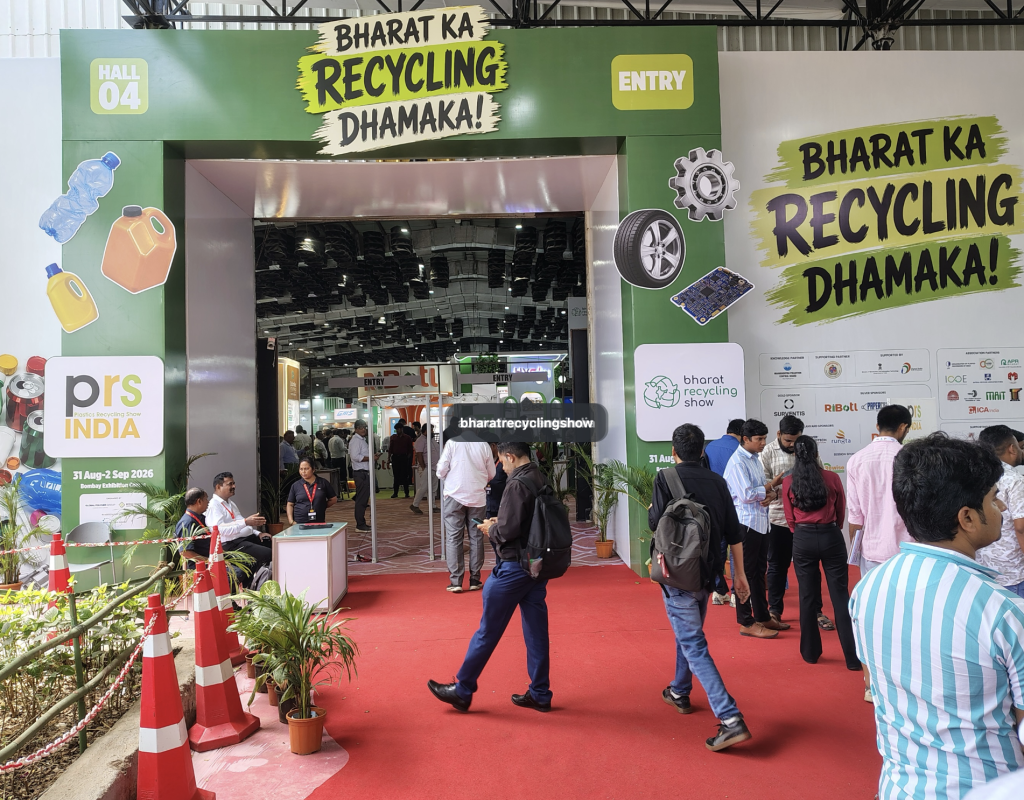
The BRS 2026 conference isn’t a generic trade-show sideshow. It’s built around a genuine policy-to-practice agenda, with 60+ expert speakers across three days covering five major commodity streams. The core themes include:
- Circular Economy Frameworks — EPR, public-private partnership models, carbon markets, and how evolving waste rules are reshaping compliance for every recycler in the country.
- Commodity Showcases — dedicated sessions on metals, batteries, end-of-life vehicles (ELVs), e-scrap, and tyres, each looking at regulatory shifts and market dynamics specific to that stream.
- Technology & Innovation — how AI, automation, robotics, pyrolysis, and decentralised processing systems are changing material recovery at scale.
- Infrastructure & Investment — what it actually takes to build bankable, ESG-ready recycling infrastructure, from financing models to decentralised collection networks.
- Cross-Sector Synergies — where industries with different waste streams can share solutions, including bringing India’s large informal recycling sector into the formal fold.
It’s a deliberately wide lens — but for anyone in e-waste and battery recycling specifically, three of those threads matter more than the rest.
Why This Matters for E-Waste and Battery Recycling
1. EPR compliance is the conversation everyone’s having
As Extended Producer Responsibility mandates expand and tighten, compliance is no longer a back-office checkbox — it’s becoming a core business function for OEMs, brand owners, and recyclers alike. The conference’s policy dialogue track is squarely aimed at surfacing the on-ground bottlenecks that formal recyclers face when trying to meet EPR obligations, and at shaping the next round of rules around real operational realities rather than paper targets.
2. Battery recycling gets its own spotlight
With electrification accelerating across two-wheelers, passenger vehicles, and commercial fleets, lithium-ion battery waste is one of the fastest-growing and most technically demanding streams in Indian recycling. BRS 2026 treats it as a standalone commodity track rather than a footnote to e-scrap — a sign that the industry is finally recognising battery recycling as a distinct discipline with its own safety, chemistry, and recovery challenges.
3. Formalisation and traceability are the direction of travel
A recurring theme across the “Key Industry Trends” the show is tracking rapid infrastructure expansion, stronger policy-industry collaboration, rising ESG investment, and growing demand for traceable materials- points to one thing: the market is rewarding recyclers who can prove where material comes from and where it ends up. That’s precisely the value proposition companies built around certified collection, documented chain-of-custody, and verifiable data destruction are positioned to deliver.
Who’s in the Room
The conference is designed for decision-makers rather than casual attendees, with delegate passes granting access to keynote sessions, market intelligence briefings, real-world case studies, and networking with policymakers and industry leaders. The audience spans:
- Recyclers and scrap processors
- Manufacturers and OEMs
- Battery, e-scrap, ELV, and tyre recyclers
- Waste management companies
- Technology and equipment providers
- Policymakers and government bodies
- Sustainability and ESG professionals
- Investors, consultants, and industry associations
That mix is the point. Policy without industry input stays theoretical; industry without policy alignment stays informal. BRS 2026 is built as the room where both sides negotiate the details.
Where CirQula Fits Into This Picture
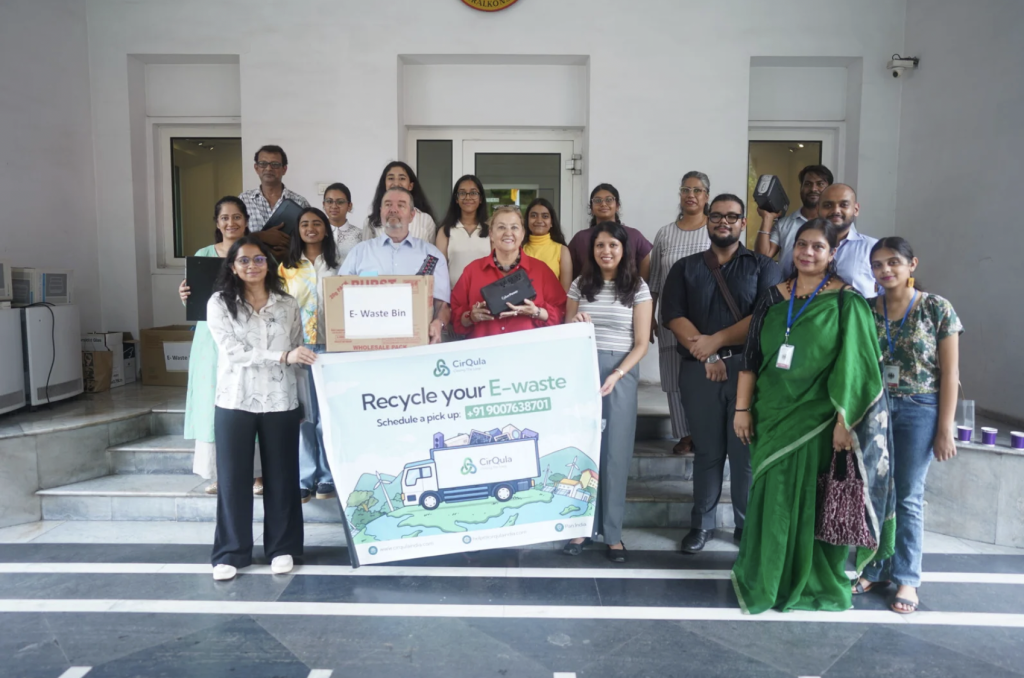
CirQula operates right at the centre of the themes BRS 2026 is built around. As a CPCB-authorised recycler offering pan-India doorstep e-waste collection, certified data destruction, and lithium battery recycling for IT equipment and computers, we sit at the exact intersection of the two tracks getting the most attention this year: e-scrap and batteries.
Here’s how the conference’s themes translate directly into what we do:
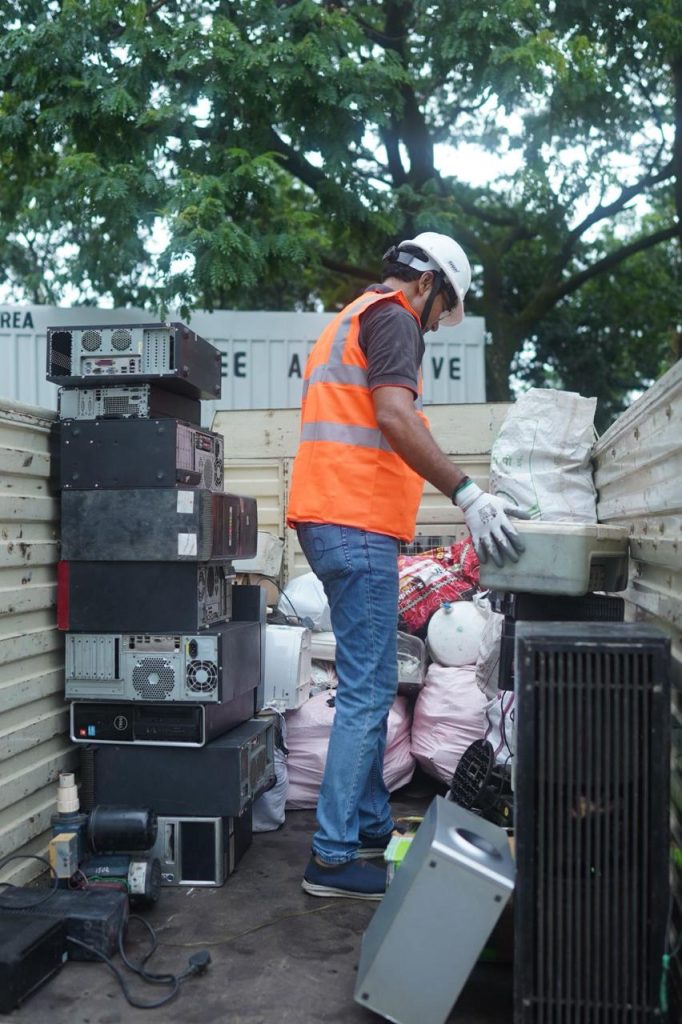
- EPR compliance, made operational. The policy sessions on EPR and channelisation aren’t abstract for us, they define how collection networks like ours are structured and audited. As mandates tighten, brand owners and OEMs increasingly need collection partners who can document every pickup and hand over auditable proof of compliance, not just a disposal certificate. That’s the standard our 24-hour doorstep pickup model is built to meet.
- Battery recycling as its own discipline. BRS 2026 giving batteries a dedicated commodity track reflects exactly what we’re seeing on the ground — lithium battery waste needs specialised handling, from safe transport to controlled processing, that generic scrap collection can’t provide. It’s a core part of our service line, not an add-on.
- Data security as a recycling requirement, not an afterthought. With IT Asset Disposal and enterprise e-waste increasingly discussed alongside compliance and ESG-readiness, certified data destruction is fast becoming a baseline expectation for any organisation retiring computers or IT hardware, not a premium extra. It’s a service we treat as core, not optional.
- Traceability as the market differentiator. The industry’s own trends call out rising demand for traceable, verifiable materials and stronger ESG investment in waste. That’s the direction our CSR and corporate e-waste programmes are already built for, giving organisations a documented, verifiable trail from pickup to final recycling, which is what increasingly separates formal recyclers from the informal sector.
For CirQula, BRS 2026 isn’t just an event to watch from the sidelines- it’s a checkpoint on whether the direction we’ve built our service around (formal, traceable, compliant e-waste and battery recycling) matches where the regulatory and market pressure is actually heading. Based on this year’s agenda, it does.
The Bigger Picture
India generates one of the largest volumes of e-waste in the world, and the gap between what’s generated and what’s formally collected and recycled remains significant. Conferences like this one won’t close that gap by themselves, but they do something equally important: they set the direction the whole industry moves in next, from how EPR credits are structured to how seriously data security gets treated during IT asset disposal.
For businesses working in doorstep e-waste collection, certified data destruction, and battery recycling, staying close to these conversations isn’t optional; it’s how you stay ahead of the compliance curve instead of reacting to it after the fact.
Bharat Recycling Show 2026 runs from 31 August to 2 September at the Bombay Exhibition Centre, Nesco, Mumbai. More details on the agenda and speaker line-up are available on the official conference page.
CirQula provides pan-India doorstep e-waste collection within 24 hours, certified data destruction, and safe recycling for IT equipment, computers, and lithium batteries as a CPCB-authorised recycler. Get in touch at cirqulaindia.com to learn how we help organisations stay compliant while closing the loop on electronic waste.