What is Swachhata Hi Seva Campaign 6.0?
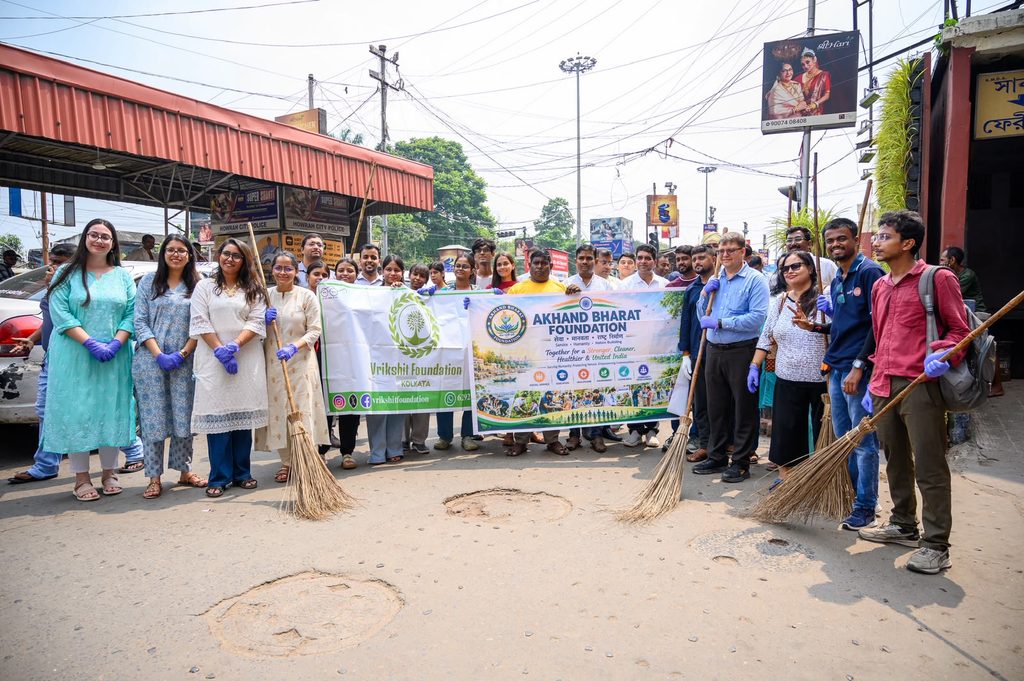
Swachhata Hi Seva (SHS) is India’s annual nationwide cleanliness movement, launched under the Swachh Bharat Mission and observed every year from September 17 to October 2 (Swachh Bharat Diwas). The 2026 edition, running alongside Special Campaign 6.0, carries the theme “Swachhata Mein Sahbhag; Swachh Bharat, Viksit Bharat” — loosely, “Participation in Cleanliness; Clean India, Developed India.” This year’s campaign is built around five key pillars: transformation of cleanliness target units and clean public places, Swachh Paathshala (Yuva for Swachhata), Safai Mitra Suraksha Evam Samman Shivir, Jan Bhagidari for Swachhata, and Swachhata Se Samriddhi.
Special Campaign 6.0 specifically pushes government departments and public sector organisations — including Indian Railways — to identify, segregate, and responsibly dispose of unserviceable materials, files, and e-waste sitting in offices and depots. This is where e-waste awareness takes centre stage.
Eastern Railway’s Role in the 2026 Campaign
As one of India’s oldest and busiest railway zones, Eastern Railway plays a visible role in every edition of Swachhata Hi Seva — from station cleanliness drives and “Waste to Art” exhibitions to Safai Mitra health camps and door-to-door awareness programs in previous years. For Campaign 6.0, Eastern Railway has extended this commitment into a more focused area: electronic waste (e-waste).
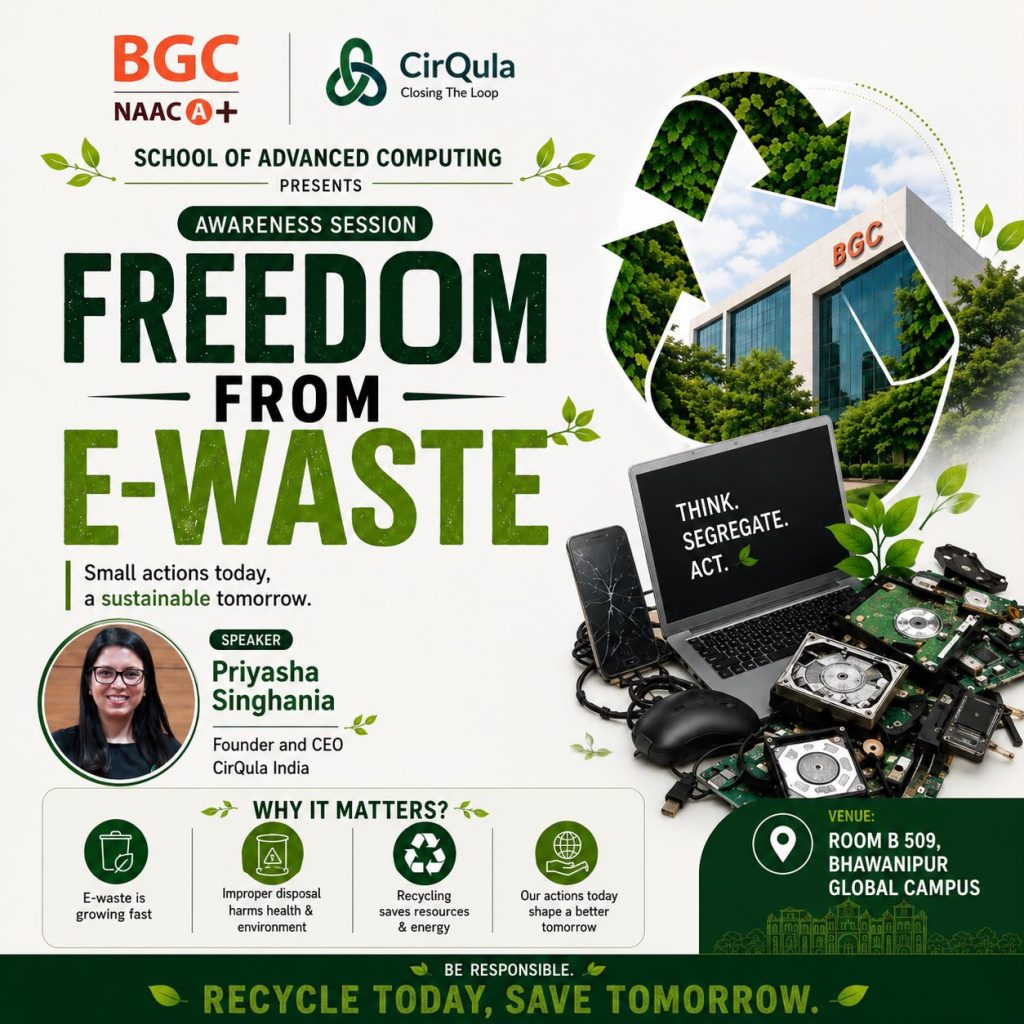
Railway offices, workshops, and stations generate a steady stream of discarded electronics — old computers, monitors, batteries, cables, and IT hardware — that often gets stored indefinitely or disposed of unsafely. By spotlighting e-waste awareness under the #SwachhtaHiSeva #EasternRailways #EWasteAwareness banner, Eastern Railway is aligning with the government’s push to bring the same rigor applied to physical cleanliness to digital and electronic waste as well.
Why E-Waste Awareness Matters Right Now
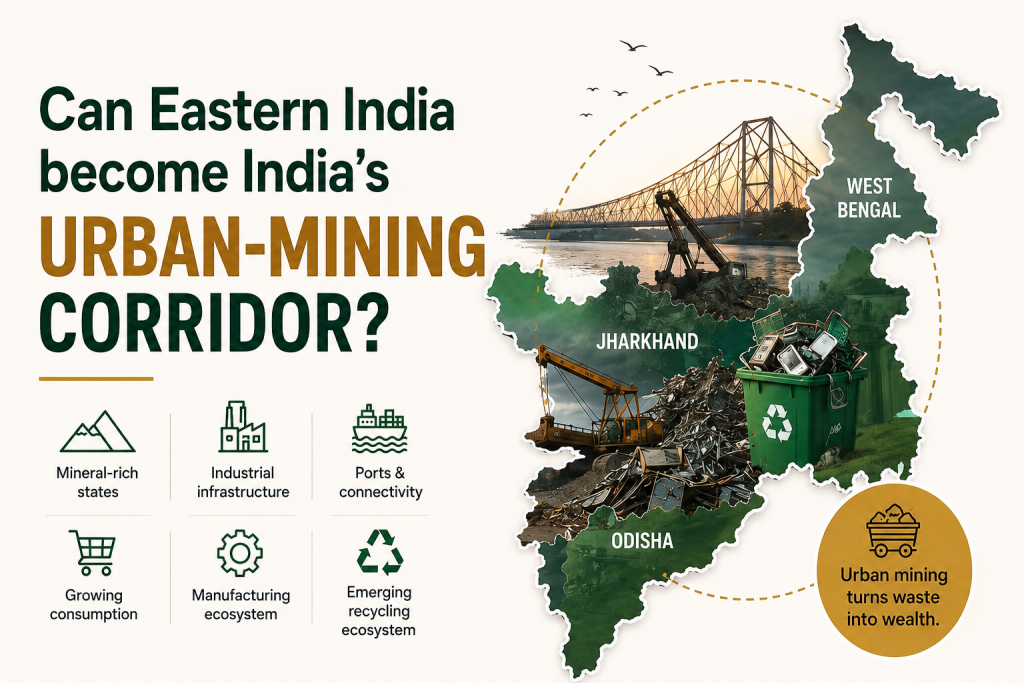
India generates one of the largest volumes of e-waste in the world, and a large share of it is still handled by informal, unregulated channels — leading to toxic leaching, health hazards for workers, and lost material value. A few reasons e-waste deserves the same attention as physical cleanliness:
- Toxicity: E-waste contains lead, mercury, cadmium, and other hazardous substances that contaminate soil and water when dumped carelessly.
- Data security: Old computers, servers, and hard drives often carry sensitive organisational data that must be destroyed, not just discarded.
- Resource recovery: E-waste holds recoverable metals like copper, gold, and aluminium — recycling it properly closes the loop instead of feeding landfills.
- Regulatory compliance: Under India’s E-Waste (Management) Rules, organisations — including public sector units — are required to dispose of electronic waste only through CPCB-authorised recyclers.
This is exactly the gap that responsible e-waste partners are built to close.
CirQula’s Role in Responsible E-Waste Management
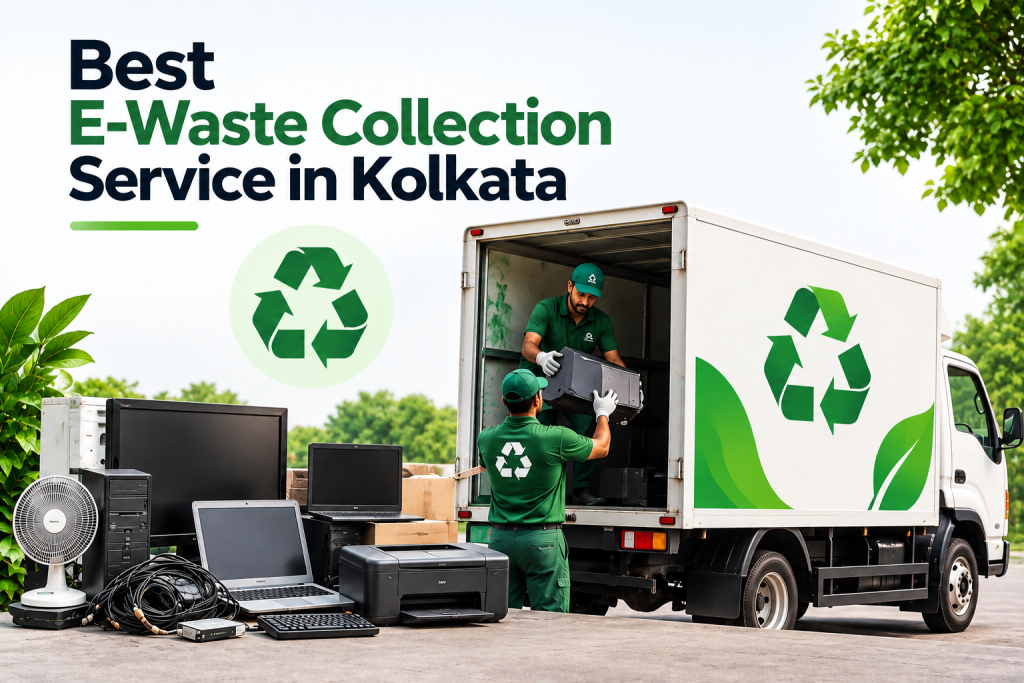
CirQula is a CPCB-authorised e-waste and battery-waste recycling company based in Kolkata, offering pan-India doorstep collection for IT equipment, computers, batteries, and other electronic assets. Its services are particularly relevant to institutions like Eastern Railway that are working through Campaign 6.0 to clear out unserviceable electronic material responsibly:
- Doorstep e-waste pickup, typically within 24 hours of a request
- Certified data destruction for hard drives, servers, and storage media before recycling
- Safe, compliant recycling in line with CPCB and E-Waste Management Rules
- CSR and awareness-driven e-waste collection drives for corporates, institutions, and public bodies
For organisations like Indian Railways divisions running cleanliness campaigns at scale, partnering with an authorised recycler ensures that “awareness” translates into a verifiable, compliant disposal channel rather than a one-off gesture.
What This Collaboration Signals
Campaigns like Swachhata Hi Seva 6.0 succeed when awareness turns into action. Eastern Railway highlighting e-waste as a focus area — alongside its established cleanliness drives, Safai Mitra camps, and public participation events — signals a broader shift: Indian public institutions are beginning to treat e-waste with the same seriousness as physical waste segregation.
For citizens and organisations watching this space, the takeaway is simple: if your office, school, or household has old electronics sitting unused, Swachhata Hi Seva season is a good prompt to have them collected and recycled through an authorised channel rather than sold to informal scrap dealers.
FAQs
Q1. What is Swachhata Hi Seva Campaign 6.0?
It’s the 2026 edition of India’s annual cleanliness campaign, combined with Special Campaign 6.0, running from September 17 to October 2 under the theme “Swachhata Mein Sahbhag; Swachh Bharat, Viksit Bharat,” with a focus on clean public places, youth participation, Safai Mitra welfare, community participation, and waste-to-wealth initiatives.
Q2. Why is Eastern Railway focusing on e-waste this year?
Special Campaign 6.0 specifically encourages government departments to identify and clear unserviceable materials, including electronic waste, making e-waste awareness a natural extension of Eastern Railway’s cleanliness efforts.
Q3. Who handles e-waste recycling for such campaigns?
CPCB-authorised recyclers like CirQula provide doorstep collection, data destruction, and compliant recycling services for institutions looking to dispose of e-waste responsibly.
Q4. How can I dispose of my own e-waste responsibly?
Contact a CPCB-authorised e-waste recycler for doorstep pickup rather than selling electronics to informal scrap collectors, which often leads to unsafe handling and environmental contamination.