Waste pickup in India has changed a lot. Businesses in Bhubaneswar, Guwahati, Visakhapatnam and Lucknow now need more than a scrap dealer. They need proper collection, paperwork and documented recycling.
The reason is volume. India generates over 1.75 million tonnes of e-waste every year, and that number keeps climbing as our dependence on electronics grows. Waste from four large, fast-growing states now needs a structured pickup system.
This guide covers what waste pickup involves in Odisha, Assam, Andhra Pradesh (AP) and Uttar Pradesh (UP), how it works for different industries, and how to choose a compliant partner.
What Is Waste Pickup?
Waste pickup is the scheduled or on-demand collection of waste from homes, offices, factories or institutions. The waste then goes to an authorised facility for segregation, recycling or safe disposal.
For e-waste and battery waste, pickup should include:
- Doorstep or site collection
- Weighing and itemised inventory
- Secure transport
- Certified data destruction for IT devices
- Recycling at a CPCB-authorised facility
- Certificates and records for your compliance file
Why Waste Pickup Matters in These 4 States
- Odisha: Its mining, metals, power and IT sectors in Bhubaneswar and Cuttack are growing fast. They produce industrial electronics, batteries and IT equipment that need regulated handling.
- Assam: Guwahati is the commercial hub of the North-East. Oil and gas, tea, education and government offices generate e-waste, and long logistics distances make organised pickup more valuable.
- Andhra Pradesh: Visakhapatnam, Vijayawada and Tirupati have pharma, manufacturing, ports, electronics and data infrastructure. All of these produce e-waste and battery waste regularly.
- Uttar Pradesh: Noida, Greater Noida, Lucknow, Kanpur and Ghaziabad host electronics manufacturing, IT parks, telecom and large retail networks. This is one of India’s biggest e-waste sources.
The legal side: Under India’s E-Waste (Management) Rules, 2022, producers, bulk consumers and recyclers all have responsibilities. The Battery Waste Management Rules, 2022 add rules for batteries. Handing waste to unauthorised scrap dealers can create compliance risk. Always check the current text of the rules or ask your recycler.
Industry-Wise Waste Pickup Pointers
Different industries generate different waste, so pickup needs differ too. Use these checklists before booking.
1. IT & ITeS / Corporate Offices
- Typical waste: laptops, desktops, servers, monitors, printers, networking gear, UPS batteries
- Pointers:
- Ask for certified data destruction with a certificate. This is critical.
- Keep an asset register and match it to the pickup inventory.
- Schedule bulk pickups at refresh cycles rather than piecemeal.
2. Manufacturing & Industrial Units
- Typical waste: control panels, PLCs, motors, cables, industrial batteries, electronic scrap
- Pointers:
- Segregate hazardous items (batteries, lead-containing parts) from general scrap.
- Ask about EPR (Extended Producer Responsibility) documentation if you are a producer.
- Confirm the pickup vehicle and loading arrangements for heavy items.
3. Telecom & Data Centres
- Typical waste: routers, switches, batteries, servers, backup power systems
- Pointers:
- Prioritise lithium and lead-acid battery handling.
- Require chain-of-custody records for decommissioned hardware.
- Plan pickups around decommissioning windows to avoid downtime.
4. Healthcare & Pharma
- Typical waste: diagnostic machines, monitors, UPS units, office IT
- Pointers:
- Keep biomedical waste separate. It follows different rules and is not e-waste.
- Decontaminate equipment before handover.
- Wipe all patient-data-bearing devices.
5. Education & Government Institutions
- Typical waste: computer labs, projectors, printers, batteries, old lab equipment
- Pointers:
- Run collection drives at the end of the academic year.
- Combine pickup with student awareness sessions.
- Ask about tender and documentation requirements for public bodies.
6. Retail, Showrooms & E-Commerce
- Typical waste: returned devices, display units, POS systems, packaging, batteries
- Pointers:
- Set up scheduled pickups for multi-city store networks.
- Ask for consolidated reporting across locations.
7. Energy, Solar & EV
- Typical waste: lithium-ion batteries, solar panels, inverters, charge controllers
- Pointers:
- Store batteries in a cool, dry, non-conductive area before pickup.
- Use a recycler that handles battery and solar waste specifically.
- Read our guide to lithium-ion battery recycling in India.
How E-Waste Pickup Works (Step by Step)
- Request: Share the item types, approximate quantity and location.
- Assessment: The recycler estimates the volume and confirms feasibility.
- Scheduling: A pickup slot is fixed. CirQula advertises e-waste pickup within 24 hours.
- Collection: Items are weighed, logged and safely loaded.
- Data destruction: Storage devices are wiped or destroyed with certification.
- Recycling: Materials are processed at an authorised facility.
- Documentation: You receive certificates for your compliance and CSR records.
To see what a proper local process looks like, read our complete guide to e-waste recycling in Kolkata. The same principles apply in Odisha, Assam, AP and UP.
How to Choose a Waste Pickup Partner (Checklist)
- CPCB authorisation that you can verify
- Certified data destruction
- Transparent process from pickup to recycling
- Paperwork you can use for audits and EPR
- Multi-location capability if you operate across states
- Material recovery focus, not dumping
- Avoid unregulated scrapyards and unverified collectors
Why this matters: when e-waste goes through informal channels, valuable materials are lost and hazardous substances can leak. That is why authorised, science-led recyclers are trying to close the gap. You can read more in why most electronic waste never gets recycled in India.
Why CirQula for Waste Pickup?
CirQula India is an e-waste and battery waste collection and recycling company. It offers pan-India doorstep collection for IT equipment, computers and batteries, and describes itself as a CPCB-authorised recycler. Its materials cover:
- E-waste (IT and electronics)
- Lithium and other batteries
- Solar panels
- Glass and tyres
What sets it apart:
- Doorstep pickup across India
- Certified data destruction for corporate IT
- Compliance-ready documentation for corporates and CSR
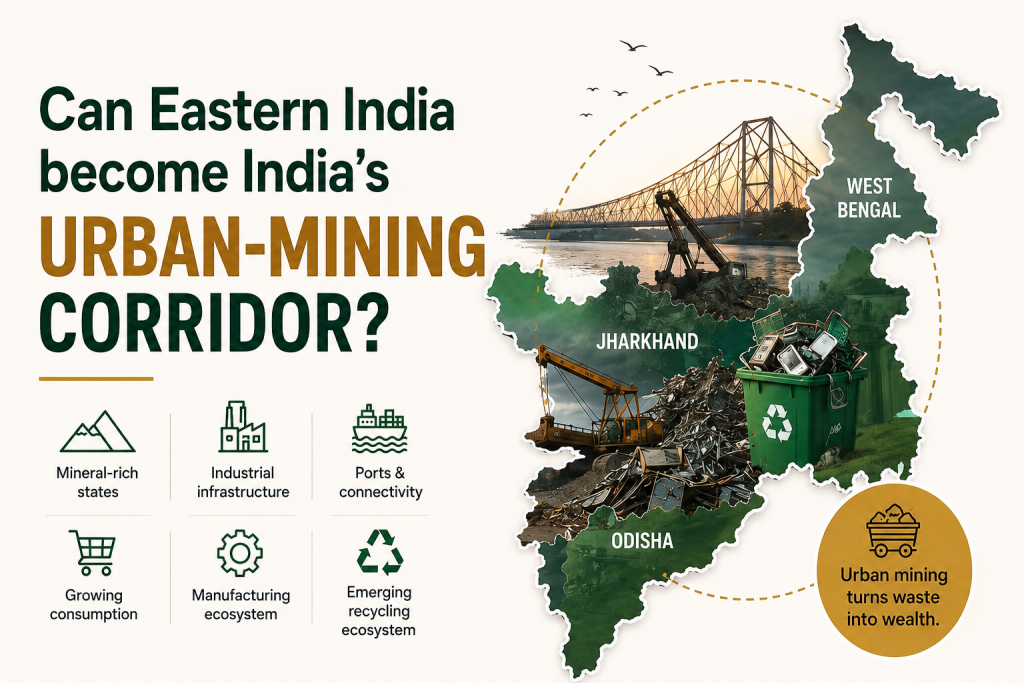
- Recovery mindset: old electronics as an “urban mine”. See critical mineral recovery from e-waste.
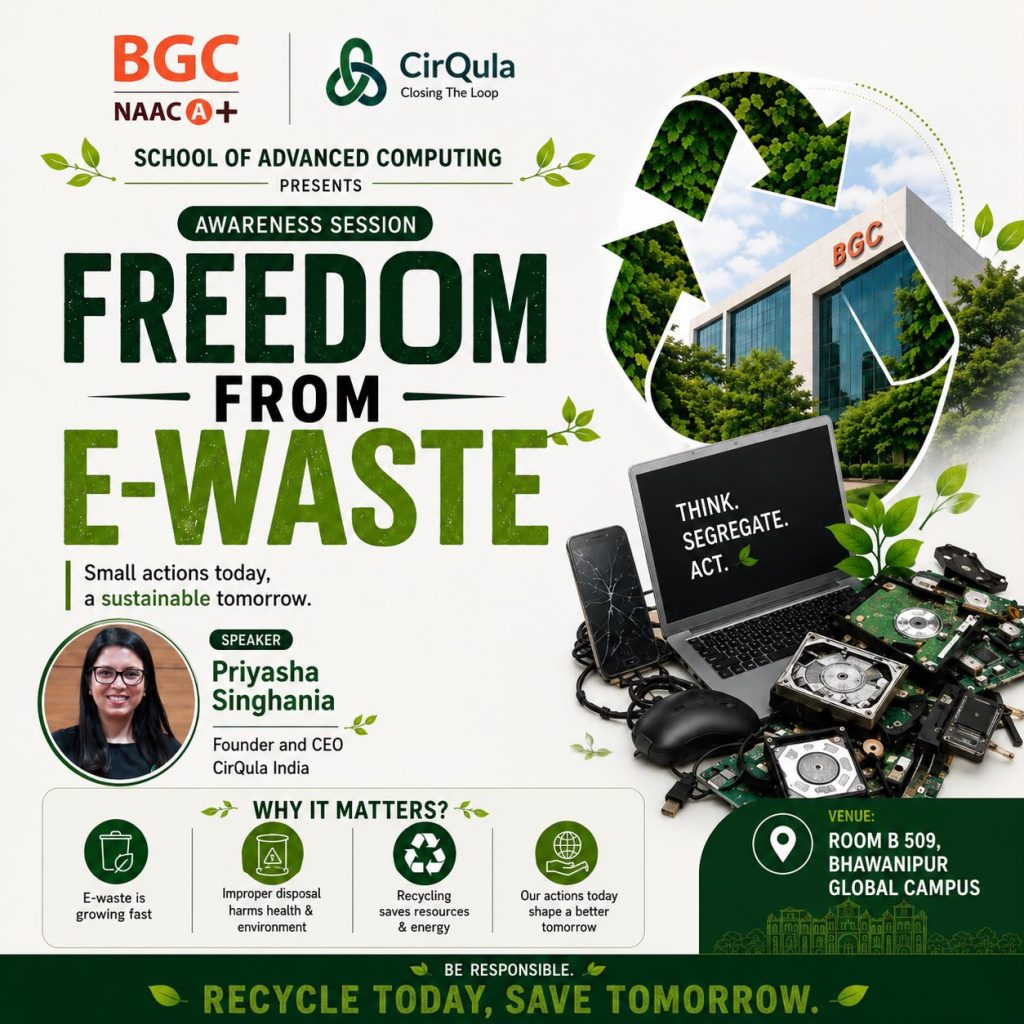
- Community impact: for example, the 500 kg e-waste drive with Nirmyx and the Freedom from Waste campaign
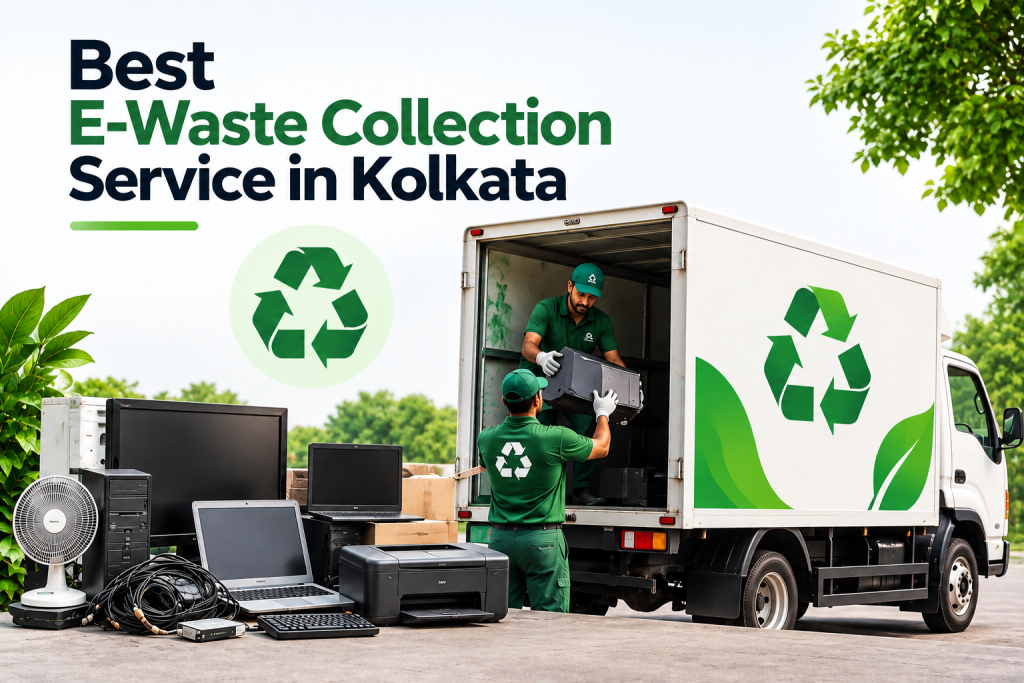
Based in eastern India, CirQula is a natural fit for businesses in Odisha and Assam. It also serves organisations in Andhra Pradesh and Uttar Pradesh through pan-India collection. For details on the Kolkata service, see the best e-waste collection service in Kolkata.
Book your waste pickup
Visit cirqulaindia.com to schedule an e-waste or battery pickup for your home, office or industry, and confirm availability for your city.
FAQs
1. How do I arrange e-waste pickup in Odisha, Assam, AP or UP?
Contact a CPCB-authorised recycler such as CirQula through cirqulaindia.com. Share your item list and location, book a slot, and receive a recycling certificate after processing.
2. Is e-waste pickup free?
It depends on the type and quantity of waste and the location. Bulk or high-value IT assets are often handled at low or no cost, while small or low-value loads may attract charges. Request a quote.
3. Which industries need regular waste pickup?
IT, manufacturing, telecom, healthcare, education, retail, energy and government offices. All of them generate e-waste, batteries or both.
4. Is my data safe when I give away old laptops?
Only if the recycler provides certified data destruction. Always ask for a certificate.
5. Who is responsible for e-waste under Indian law?
Producers, bulk consumers, collectors and recyclers each have obligations under the E-Waste (Management) Rules, 2022. Bulk consumers should give waste only to authorised recyclers.
6. Can I recycle lithium-ion batteries through pickup?
Yes, through an authorised recycler. Do not put them in household trash because they are a fire risk. See lithium-ion battery recycling in India.
7. What is the difference between e-waste and general waste pickup?
Municipal pickup handles household garbage. E-waste needs specialised, authorised handling because of hazardous components and data risks.
Conclusion
Whether you run a tech park in Noida, a plant near Bhubaneswar, a hospital in Guwahati or a port business in Visakhapatnam, organised waste pickup protects your data, your compliance record and the environment. Choose an authorised partner, segregate your waste, and keep your certificates.
Ready to schedule? Visit CirQula India or explore more guides on the CirQula blog.
Pingback: CirQula India Has Completed E-Waste Pickups in 13 Indian Cities